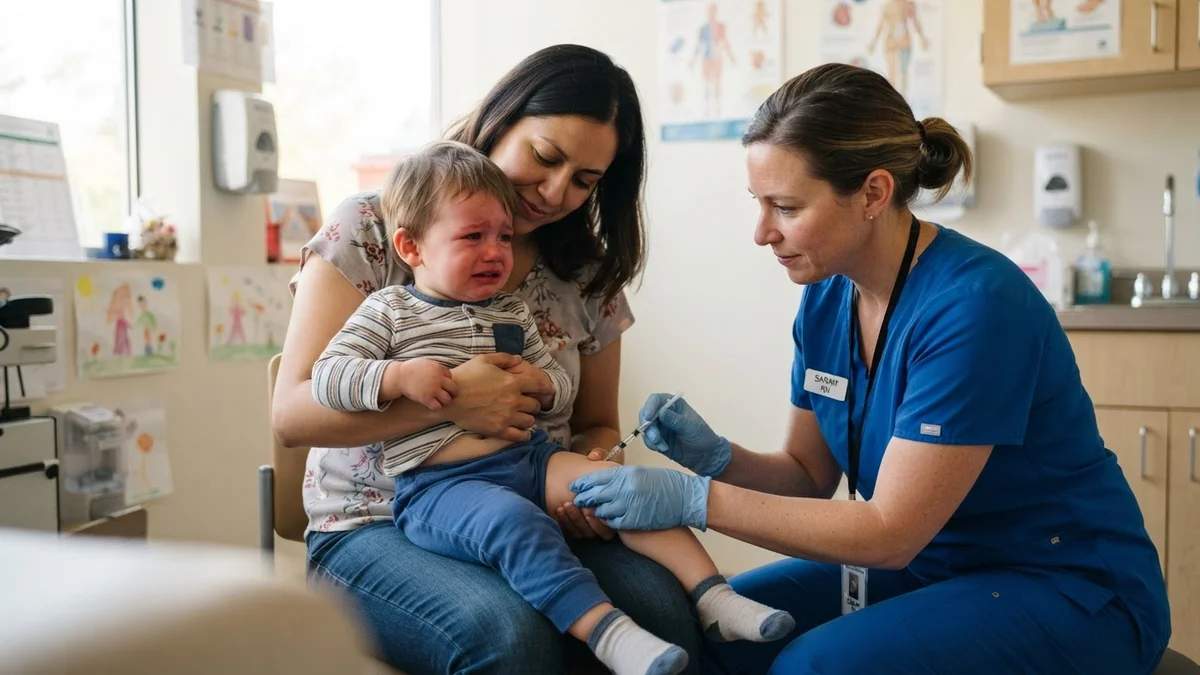
Childhood vaccinations are one of the most effective ways to protect children from serious and sometimes deadly diseases. Every country has a national immunisation schedule based on local disease risks, so exact timings vary.
How Vaccines Work
Vaccines train the immune system to recognise specific germs without causing the illness. If the child is later exposed, the body can fight the infection quickly.
Commonly Included Vaccines
| Vaccine | Protects against |
|---|---|
| BCG | Tuberculosis (in many countries) |
| Hepatitis B | Liver infection |
| DTP (combination) | Diphtheria, tetanus, whooping cough |
| Polio | Poliomyelitis |
| Hib | Haemophilus influenzae type b infections |
| Pneumococcal | Pneumonia and meningitis |
| Rotavirus | Severe diarrhoea |
| Measles-containing vaccine (MR/MMR) | Measles, rubella, mumps |
Why Following the Schedule Matters
Vaccines are timed to protect children when they are most vulnerable. Some need several doses to build full protection. If a dose is missed, a doctor can arrange a catch-up plan.
Common Side Effects
- Redness or swelling at the injection site
- Mild fever
- Fussiness or sleepiness for a day or two
Serious reactions are rare. Clinics are prepared to manage them.
Tips for Vaccination Day
- Bring the child’s vaccination card.
- Hold and comfort your child during the injection.
- Breastfeeding or a favourite toy can help soothe babies.
- Ask the nurse what to expect afterwards.
When to Seek Help
Seek urgent care for high fever, unusual crying for hours, difficulty breathing, swelling of the face or a seizure after vaccination.
Conclusion
Vaccinations protect your child and the community. Keep records up to date and follow your national schedule.
Disclaimer: This article is for general information only and is not a substitute for professional medical advice, diagnosis or treatment. Always consult a qualified healthcare provider about your own or your child’s situation.